

Bad incentives for surveys = bad data. Here's the fix:
- Match the pay to the effort. A 5-minute survey isn't a multi-day diary study. Don't be cheap.
- Know your audience. B2B pros and medical specialists cost more than general consumers. Period.
- Be 100% clear upfront. Tell them what they're getting, how, and when. It’s a huge trust signal.
The best incentives offer choice (think Visa/Amazon gift cards). And for real, stop doing manual payouts. Automating it means participants get paid instantly, and you get to ditch the soul-crushing admin work.
Survey incentives are rewards—whether monetary or non-monetary—offered to individuals to encourage their participation in a study. Let’s be honest: they are one of the most effective ways research teams can ensure they get enough quality participants for their studies.
A good research incentive does more than just increase survey response rates. It attracts engaged participants and encourages thoughtful feedback, leading to stronger research results and more actionable insights.
Why getting incentives right matters
Here’s the tricky part: what is a suitable incentive for your specific survey research project? Across teams, we see the same painful issues pop up again and again:
- Incentives that don’t match the time or effort required (a classic).
- Rewards that just don’t fit the audience's needs.
- Super-vague terms about when payments will actually arrive.
- The soul-crushing admin work of manual fulfillment, which delays delivery and frustrates participants (and you).
These mistakes can compromise your data quality, attract the wrong participants, and make it that much harder to recruit for your next study.
At User Interviews, we’ve analyzed data from over 20,000 research studies to understand which incentives work best, which ones don’t, and how they influence participant behavior. We have the numbers to back it up — and in this guide, we’ll show you how to:
- Choose the right incentive for your study.
- Identify the types of incentives that actually work.
- Distribute them efficiently to keep participants engaged and your research on track.
Want to boost your survey response rates with the right incentives? Schedule a demo today with User Interviews to learn more.
How to choose the right survey incentive
Choosing the right survey incentive is crucial for success. Our findings, based on an analysis of data from our Research Incentives Report (which covers more than 20,000 research projects) indicate that the right incentive typically strikes a balance between time, effort, and audience expectations. Here's exactly how you can choose the right survey incentive for your research:
1. Match incentive value to study length and complexity
The most important factor in setting a fair incentive is the amount of time and effort you’re asking from participants.
A short 5-minute pulse survey shouldn’t be rewarded the same way as a 90-minute usability session or multi-day diary study. Participants weigh their time carefully, and if the incentive doesn’t feel proportional, they may either skip your study or rush through with minimal effort.
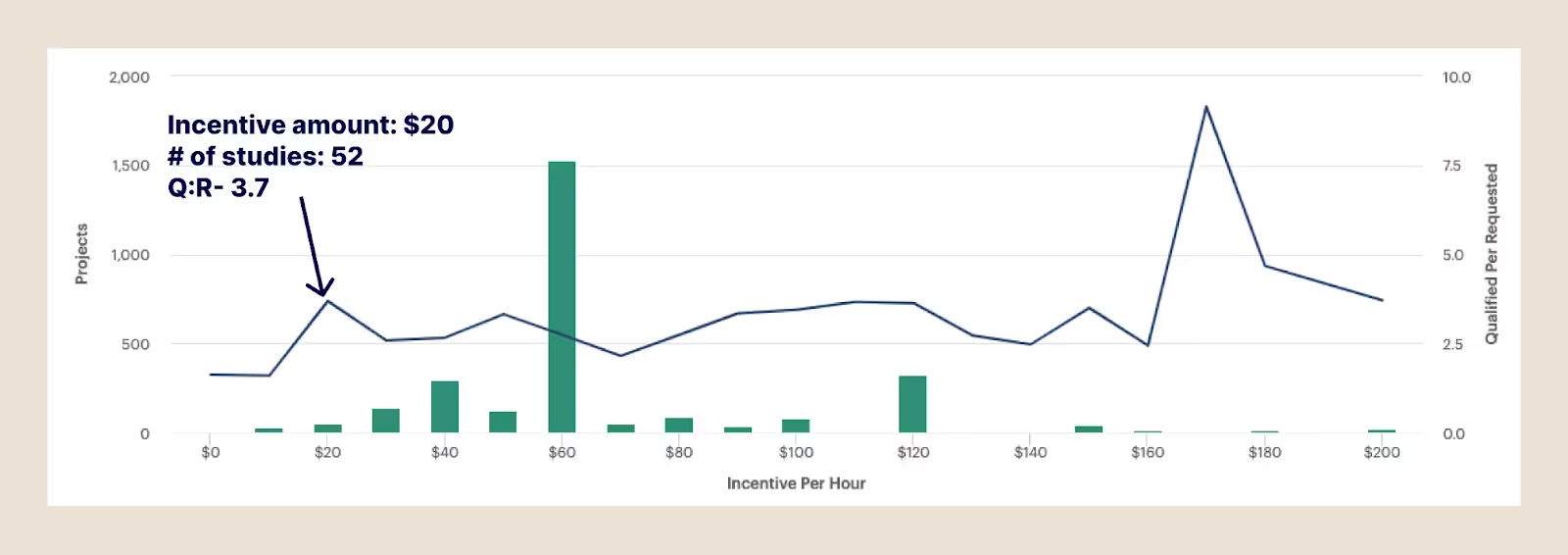
For example, our data showed that remote interviews paying $160/hour saw no-show rates drop to just 1%, while in-person interviews offering $200/hour achieved a 0% no-show rate.
On the other hand, smaller, unmoderated tasks, such as surveys, often require much less. Even a $20 reward for a remote, unmoderated study was enough to produce a strong qualified-to-requested (Q:R) ratio of 3.7.
When planning your research budget, start with the time commitment. A simple rule of thumb: the more you’re asking of participants, the more you need to offer in return.
2. Consider the type of participant you’re recruiting (B2B vs. B2C)
Not all participants have the same expectations when it comes to incentives. For example, a college student filling out a consumer survey may be motivated by a small digital gift card, while a senior IT decision-maker participating in a survey will likely expect significantly more.
Incentives should reflect the rarity and expertise of your audience. Busy professionals, medical specialists, and other niche participants often require premium compensation because their time is more limited and their insights more valuable.
For example, our data shows that unmoderated B2B study incentive rates tend to be slightly higher than in unmoderated B2C studies. Here are the average incentives for unmoderated studies (such as surveys):
- B2B:
- <15 mins: $1.77/min
- 15–29 mins: $2.13/min
- 30–60 mins: $92/hr
- 1 hr+: $84/study
- B2C:
- <15 mins: $1.38/min
- 15–29 mins: $1.08/min
- 30–60 mins: $58/hr
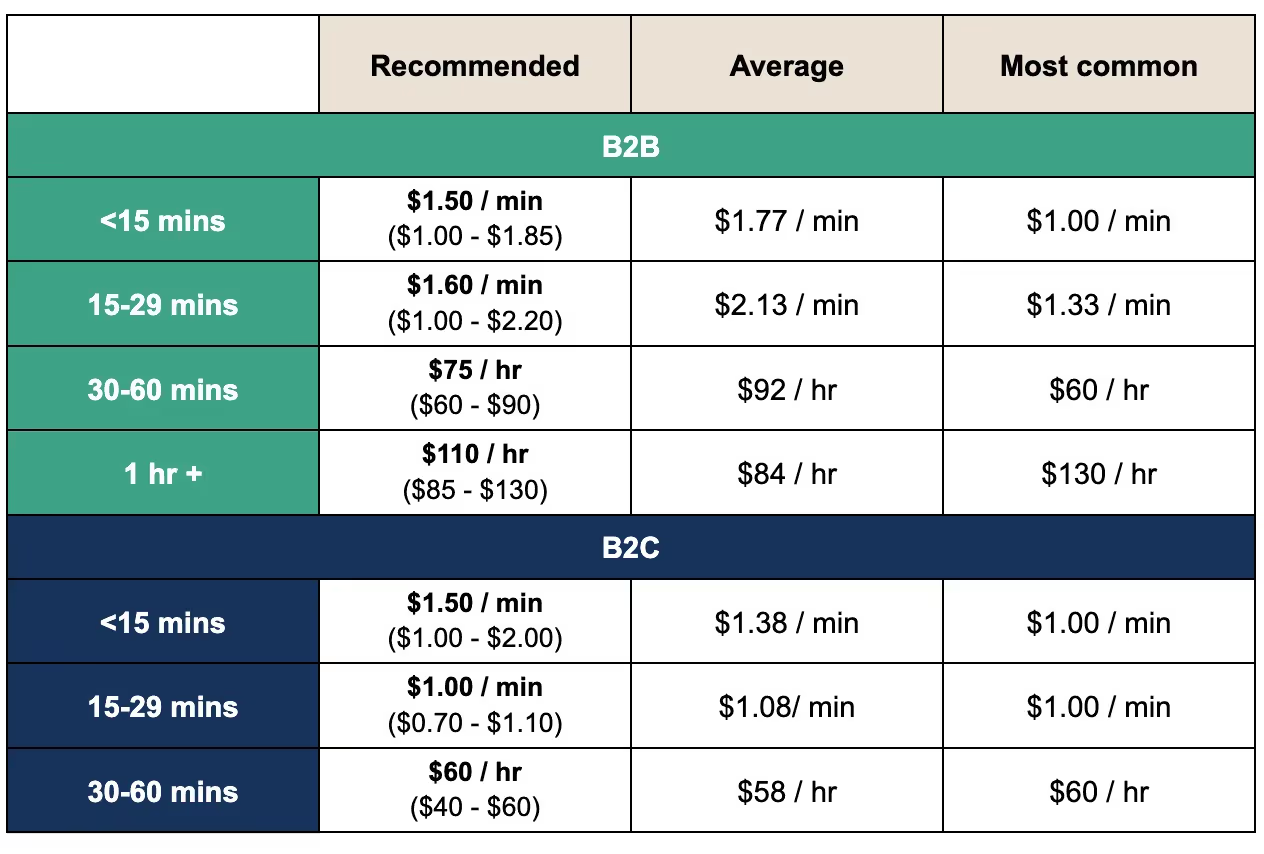
Because professional participants are harder to recruit, and their time is more constrained, you'll need to offer more for B2B studies to attract qualified individuals and boost response rates.
Try the User Interviews Incentives Calculator. Simply enter your study type, audience, and time commitment to receive a data-backed recommendation on the optimal incentive amount.
3. Communicate the incentive details clearly
The last step to ensure you're setting incentives correctly is to define expectations upfront so participants understand how and when they’ll be rewarded.
Unclear terms often lead to frustration, a lack of trust, and dropouts. This can harm both your data quality and your ability to recruit qualified survey respondents for future studies.
To avoid this, explain everything clearly from the start. You can do this in your recruitment materials, invitation emails, and even in your screeners. You should clearly state the following:
- What the incentive is (cash, digital gift card, donation, etc.)
- How much participants will receive
- When they’ll receive it (e.g., “within 48 hours of completing the survey”)
- Any conditions they need to meet (such as completing the entire study or passing screening criteria)
When participants know exactly what to expect, they’re far more likely to engage thoughtfully, which increases survey participation and leads to higher response rates. On top of that, you should always send incentives as quickly as possible after a participant completes the study.
That’s why using a platform like User Interviews can be so valuable. Our system offers automatic incentive management, delivering rewards immediately after study completion.
Participants can choose from more than 1,000 reward options (such as gift cards, cash rewards, and donations), and researchers never have to worry about manually doing calculations in spreadsheets or generating tax forms like 1099s.
5 survey incentive ideas that actually work
Once you know how much to offer, the next step is deciding exactly what type of incentive you want to offer. The best option depends on your audience and budget.
Below are the five most effective incentive types we've seen across research projects:
1. Prepaid cards (e.g., Visa, Mastercard)
Prepaid cards function similarly to debit cards and can be used almost anywhere. They’re popular because they give participants the freedom to choose how and where they spend their reward. It's basically like receiving cash.
Most popular prepaid cards include:
- Virtual Visa
- Physical Visa
- Mastercard Prepaid
- American Express Prepaid
When you opt to have User Interviews distribute incentives automatically, participants can redeem their reward through Tremendous, our incentives provider.
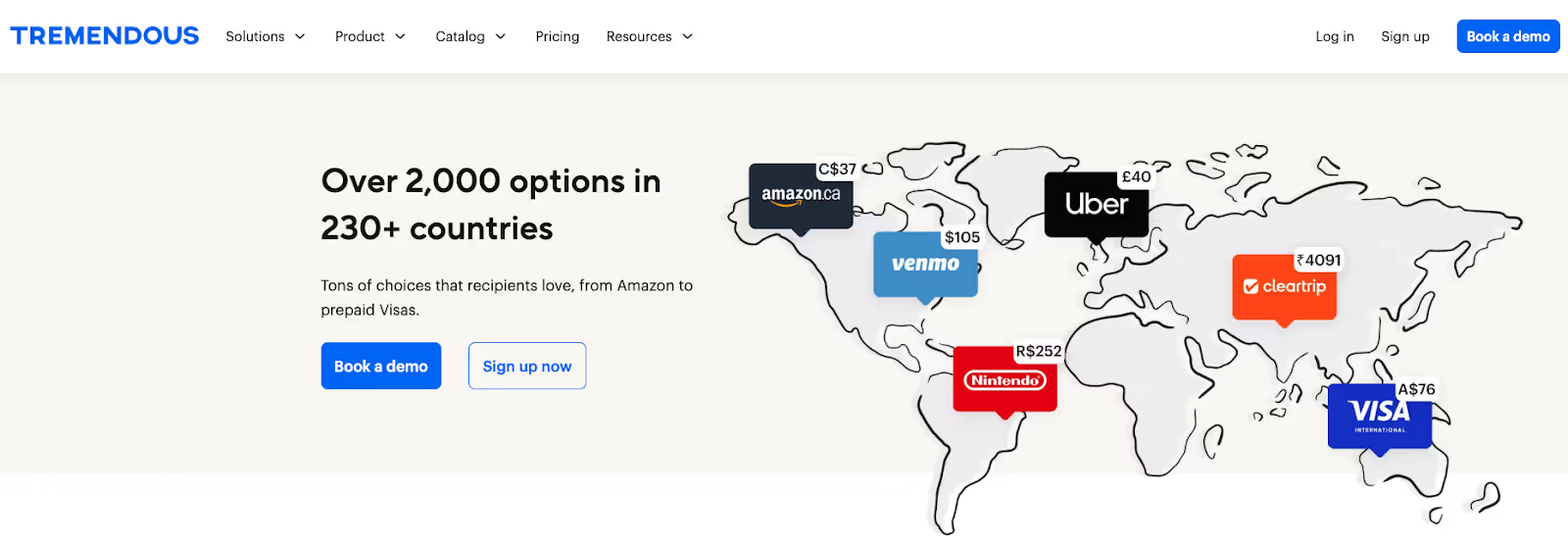
Tremendous offers various prepaid card options, and we'll automatically convert the reward to the participant's local currency (USD, GBP, CAD, AUD, EUR, ZAR, INR, and more).
2. Digital gift cards (e.g., Amazon, Starbucks)
Digital gift cards are easy to send and remain one of the most commonly used incentive options for both B2B and B2C audiences. They can be delivered instantly and allow participants to choose from brands they already love.
Most popular gift card options (US):
- Amazon
- Walmart
- Starbucks
- Apple
- DoorDash
- Nike
- Nintendo eShop
- Target
- Uber
User Interviews offers hundreds of gift card options as a survey incentive. Participants in Recruit projects can redeem gift cards in 34 supported countries, while Hub projects support gift cards anywhere Tremendous operates.
Gift card availability varies by country, but in the US, participants can choose from dozens of well-known retailers.
3. Cash and direct payments (e.g., PayPal, Venmo)
Cash incentives (PayPal, Venmo, bank transfer) are universally appealing because they give participants complete freedom to use the reward however they like. This is especially effective for B2B audiences, who often expect direct monetary compensation.
4. Charitable donations
Another option to consider is allowing participants to donate their incentive to a specific nonprofit or charity. Popular categories for charitable donations include:
- Environmental causes
- Local community charities
- Health and medical research foundations
User Interviews does allow this incentive option. Through Tremendous, participants can choose to donate their incentive to a wide range of charities directly. This is a great option when your audience values social impact over personal rewards.
5. Product samples, subscriptions, or early access
If you're running surveys related to specific products or services, you have the option to offer non-monetary incentives such as early access or a free membership to your product. In some cases, this approach works especially well, as participants feel rewarded with exclusive access to something they value.
Some examples include:
- Free product samples (for consumer brands)
- Trial memberships or subscription extensions
- Exclusive beta access to new features
User Interviews does not directly support this incentive option. However, if you're using Hub, you can select manual distribution and mention this as the incentive option in study invitations to participants.
How to distribute survey incentives to research participants with User Interviews
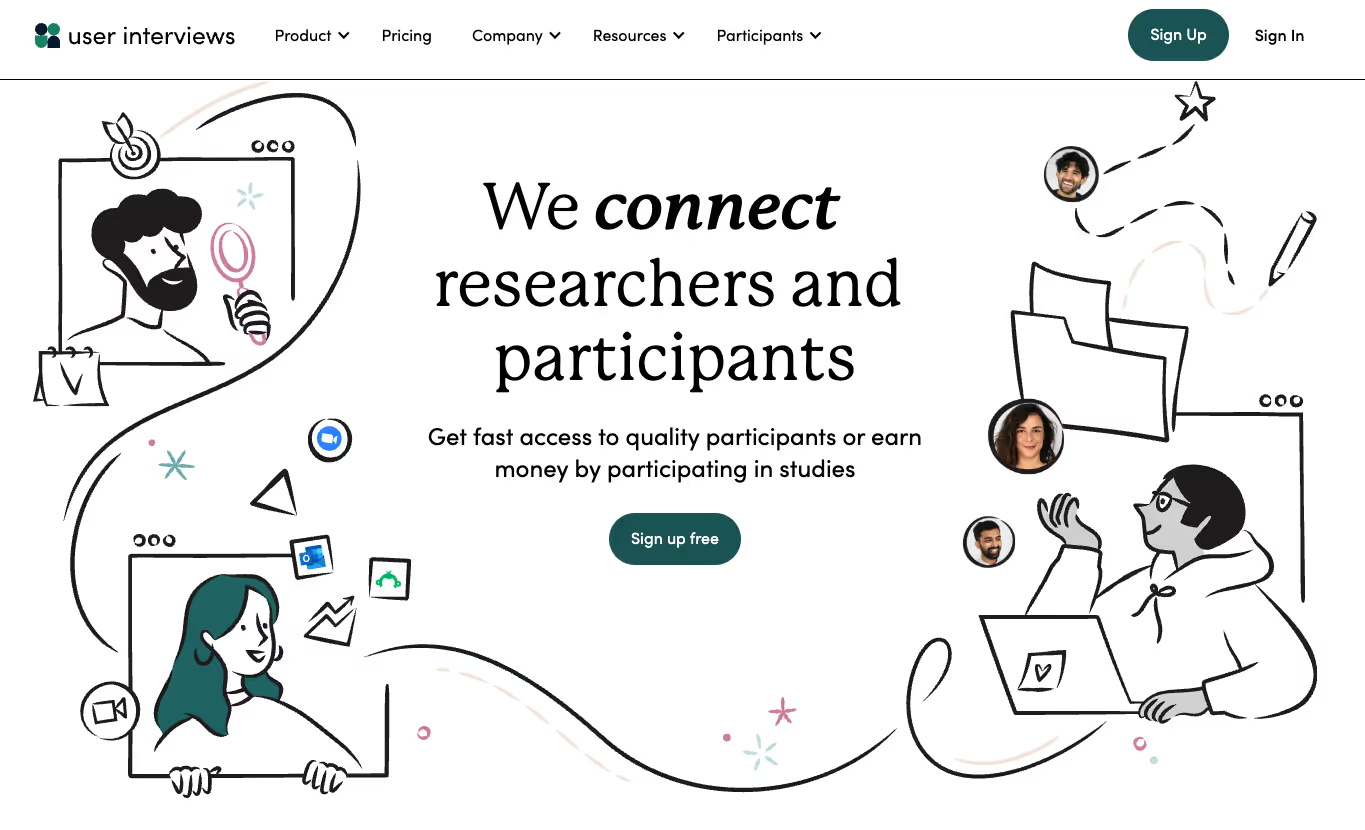
With User Interviews, distributing incentives doesn’t require spreadsheets, manual gift card codes, or follow-up emails. Everything is built into the platform, so participants get their rewards faster, and your Research Ops team spends less time handling finance tasks.
Here's how it works:
1. Set your incentive amount during study setup
When creating a Recruit or Hub project, you’ll define both your target number of participants and the incentive amount for completing the survey. Setting the right amount depends on factors like study length and participant demographics.
If you’re unsure what to offer, the User Interviews Incentive Calculator makes it easy. Just plug in a few details about your survey, audience, and duration, and you’ll get a data-backed recommendation. This ensures you’re offering incentives that feel fair to participants while staying within budget.
This is also where you’ll select automatic or manual incentive distribution. With automatic incentives, User Interviews handles payouts via Tremendous. This provides access to 1,000+ incentive options as we mentioned earlier.
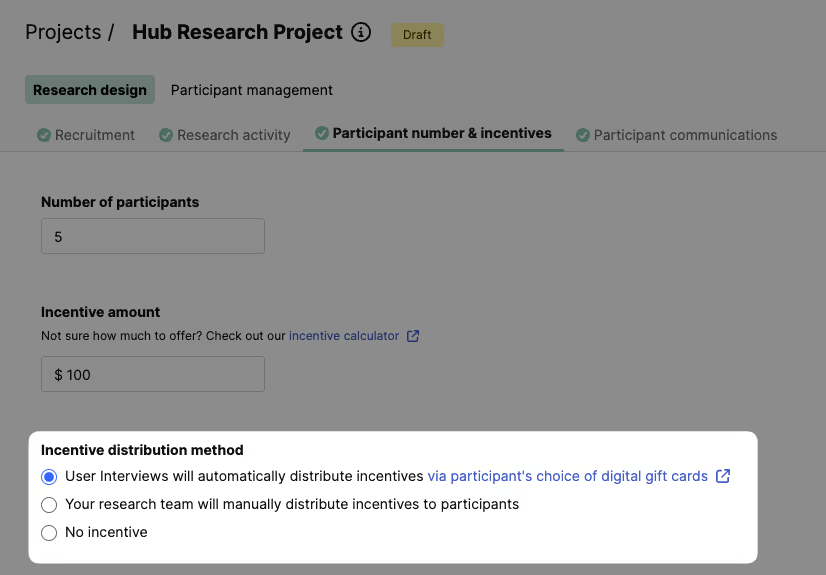
You set the USD amount, and we automatically convert it to each participant’s local currency, making global research easy and fair.
2. Adjust incentives flexibly as you recruit
Research rarely goes exactly as planned, which is why User Interviews offers flexible incentives. You can increase or decrease incentive amounts after launching a project, or even send bonuses to participants who go above and beyond.
You can make adjustments at two levels: project-wide, if you need to attract more applicants, or individual, if a survey participant delivers particularly valuable feedback.
Updating incentives is a simple process that takes just a few clicks inside the platform. To adjust an entire project, go to the Project Overview page and update the incentive amount under “Session details.”
The new rate will automatically apply to all participants who apply after the change.
For one-off adjustments for surveys, go to the Participant Tracking page.
From there, select the participant, click Edit incentive, and enter the new amount. It will be saved instantly, and the participant will see the updated reward reflected in their record.
3. Deliver incentives instantly with automated thank-you emails
User Interviews makes actually sending an incentive simple by automating the whole process. This ensures participants are rewarded promptly, and you don't need to handle additional manual tasks.
Timely survey rewards not only improve the participant experience but also help boost overall participation rates for future studies.
Once you mark a participant’s survey as Completed, the system triggers a customizable thank-you email with a redemption link. Participants can also access this link directly from the “My Studies” section of their User Interviews account.
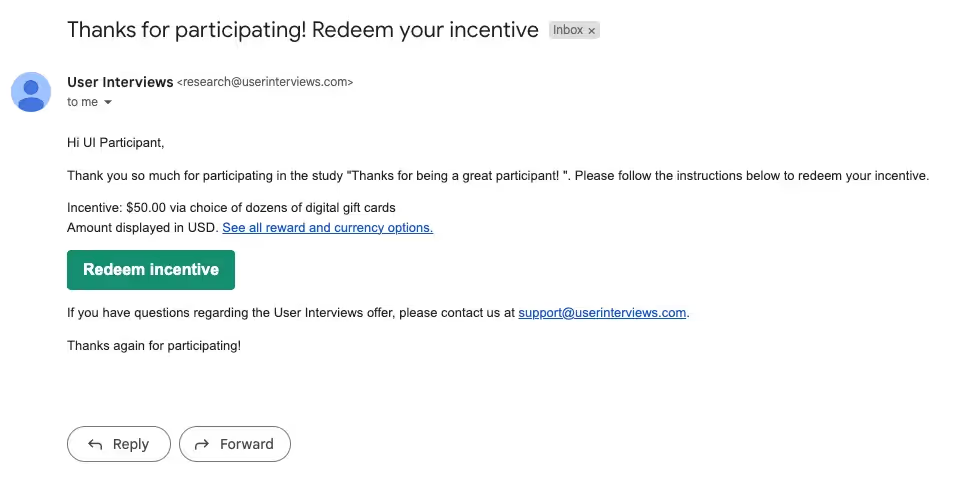
When they click to redeem, they’ll confirm their local currency and choose from over 1,000 global reward options through our incentives partner, Tremendous. For their records, they’ll also receive a confirmation email with their redemption details.
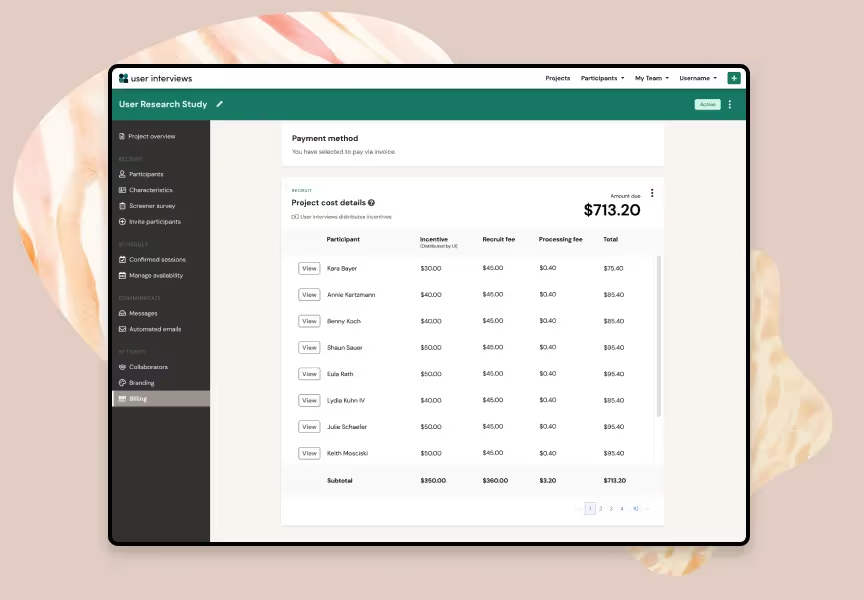
After they choose an incentive, billing is done automatically. The incentive amount, plus a small 3% processing fee, is added to your project invoice. There are no separate payment runs or messy accounting updates needed.
This means your team can close the loop on incentives with just one click, and participants feel valued immediately after completing the survey.
If you decide to select manual distribution, you'll need to collect participant details (such as home addresses for personal checks or PayPal usernames), draft and send payment instructions, and follow up on any delays.
With User Interviews, the process is standardized, fast, and fair, which keeps participants motivated to return for your next project.
Deliver better research results with the right incentives
The quality of your survey depends on more than just the questions you ask. It also relies on the participants you recruit and how valued they feel.
The right incentives help you attract qualified respondents, keep them engaged, improve completion rates, and build trust for future studies. But they also need to be managed efficiently so your team isn’t struggling with spreadsheets, payments, and other manual tasks.
User Interviews makes the entire process simple. By using survey incentives strategically, you can motivate participants while streamlining your workflow. We offer data-backed insights on setting the right incentives, flexible adjustments for mid-project changes, and automatic distribution via Tremendous, with over 1,000 reward options in 200+ countries and local-currency redemption.
Ready to make survey research incentives effortless? Schedule a demo today to see how User Interviews can help.